


Mapping Your Career Path to Success: A Guide to Career Path Planning


Embarking on a professional journey often feels like setting off into unfamiliar territory without a compass. It is completely natural to feel uncertain about where to begin, which direction to turn, or how to reach that ultimate professional destination. The good news is that no one has to navigate this terrain entirely on their own. By mapping out a clear strategy and taking deliberate, thoughtful steps, anyone can design a roadmap that transforms big professional ambitions into achievable milestones.
Why Career Path Planning Matters
Career path planning goes far deeper than simply picking out a job title from a list or waiting around for the next promotion. It is a deliberate process of uncovering individual strengths, recognising personal interests, and identifying core values, then aligning those traits with opportunities that foster genuine growth. When individuals take the time to map out their professional trajectory, they gain a renewed sense of clarity and confidence. This proactive approach prevents people from drifting aimlessly through roles or feeling trapped in positions that offer little personal fulfilment.
Consider a long road trip: very few people would jump into a car and step on the gas without knowing where they are headed or which roads to take. Professional life deserves the same care. Effective planning allows individuals to:
Identify long-term objectives with absolute clarity
Recognise the exact skills that need development
Spot hidden opportunities for learning and advancement
Make deliberate, informed decisions regarding job changes or continuing education
Investing time in this process is essentially laying down the foundation for long-term career satisfaction and stability.
Understanding Your Starting Point

Before mapping out a route to a new destination, it is crucial to establish exactly where the journey begins. This phase requires an honest assessment of current skills, unique experiences, and daily interests. Professionals can kickstart this reflection by asking themselves a few core questions:
What are my core strengths, and where do I have room to improve?
Which specific tasks or projects bring the most energy and satisfaction?
What values are non-negotiable in the workplace? (e.g., strong work-life balance, creative freedom, leadership opportunities)
What consistent feedback comes from trusted colleagues or mentors?
Writing down these reflections or discussing them with a mentor or a professional coach can provide massive clarity. This foundational self-awareness is the bedrock of all successful career path planning.
From there, look closely at the current role and industry. Is there a sense of fulfilment, or is it time for something new? Keep in mind that discovering what someone doesn't want out of a job is often just as valuable as knowing what they do want.
How to create a career path plan?
While creating a comprehensive plan might seem overwhelming at first glance, the process is actually just about breaking down big, ambitious dreams into small, manageable milestones. Here is a practical framework to get started:
Set clear, specific goals: Vague desires like "I want to be successful" are hard to chase. Instead, aiming for something precise—like "I want to step into a project manager role within the next three years"—gives the brain a definitive target.
Research desired roles: Look into the specific qualifications, technical skills, and years of experience required for those target positions. Job descriptions, LinkedIn profiles, and industry publications are fantastic tools for gathering this data.
Identify skill gaps: Compare current capabilities against the requirements of the dream role. Pinpoint what needs to be learned or improved, whether that means sharpening soft skills, mastering a new piece of software, or earning a specific certification.
Create an action plan: Outline the tangible steps needed to bridge those skill gaps. This might involve enrolling in an online course, seeking out specific mentorship, volunteering for stretch assignments, or taking on freelance projects.
Set timelines and milestones: Attach deadlines to these steps to maintain momentum and track progress over time. Don't forget to celebrate the smaller wins along the way to keep motivation high.
Review and adjust regularly: A career plan should never be carved in stone. Industries shift, life circumstances change, and personal interests evolve. Reviewing the plan every few months allows for seamless course corrections.
Following this structured process provides a reliable roadmap that guides day-to-day decisions and keeps professionals focused on the bigger picture.
Taking Action: Practical Tips to Move Forward

Planning is an essential first step, but consistent action is the only thing that turns a vision into reality. Here are a few practical strategies to help individuals move forward with confidence:
Network actively: Build genuine connections with professionals who are already working in the desired field. Attending industry events, engaging in online forums, or requesting short informational interviews can uncover hidden opportunities that never hit job boards.
Seek feedback and mentorship: Find an experienced guide who can offer honest feedback and perspective. A great mentor can help navigate workplace politics, offer industry insights, and help avoid common pitfalls.
Build a personal brand: Refresh the CV and optimise LinkedIn profiles to mirror future career goals rather than just history. Sharing relevant articles or writing short posts about industry trends helps showcase growing expertise.
Stay curious and keep learning: The modern job market evolves rapidly. Keep skills sharp by staying on top of industry news, taking short courses, and experimenting with emerging tools.
Be open to opportunities: Sometimes the most rewarding career growth comes from unexpected sideways moves or unconventional projects. Stepping slightly outside of a comfort zone can yield incredible results.
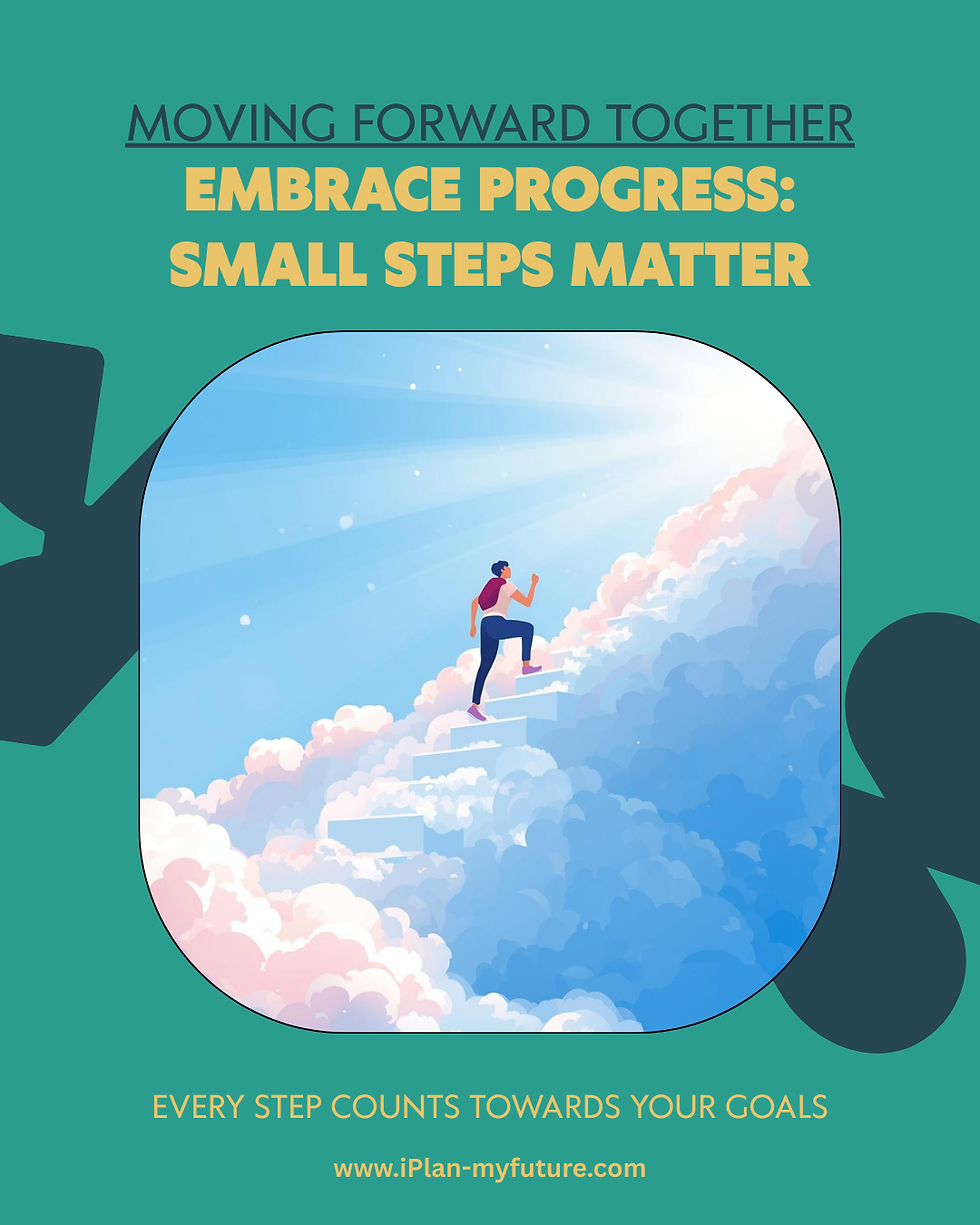
Every single small step builds momentum. Progress may feel gradual at times, but persistence inevitably pays off.
Staying Motivated and Overcoming Challenges

It is completely normal to run into roadblocks along the way. Setbacks, moments of self-doubt, and temporary periods of uncertainty are all standard parts of the professional journey. When these hurdles appear, it helps to pause and remember the original "why" behind the plan. Reflecting on past progress can quickly restore a sense of purpose.
Here are a few ways professionals maintain their drive:
Visualise success: Picture the day-to-day routine of sitting in that dream role. Imagining the impact and fulfilment that comes with it acts as a powerful motivator.
Break goals into smaller tasks: Massive objectives can induce burnout. Focus entirely on the single next step to keep anxiety at bay.
Celebrate achievements: No win is too small to recognise. Acknowledging progress builds the deep confidence required to keep pushing forward.
Seek support: Lean on friends, family, or professional career advisors when encouragement or an outside perspective is needed.
Stay flexible: Careers rarely follow a straight line. Embracing the unexpected twists and turns is simply part of long-term personal growth.
By cultivating an adaptable mindset, professionals can handle whatever changes the market throws their way.
Your Career Journey Starts Now

Taking control of a professional future through career path planning is incredibly empowering. It boils down to knowing who you are, setting definitive targets, and taking deliberate steps toward those ambitions every single day. For those wondering where to begin, exploring the resources at iPlan-myfuture.com offers tailored, detailed guidance to help structure the next steps.
A career is a marathon, not a sprint. With a little patience, strategic planning, and genuine passion, anyone can design a professional life that truly reflects their unique talents. There is no need to wait for the perfect moment—start mapping that career path today and take the first real step toward the success that lies ahead.
More information/guidance/ebooks can be accessed here.
Connect with us:


Comments